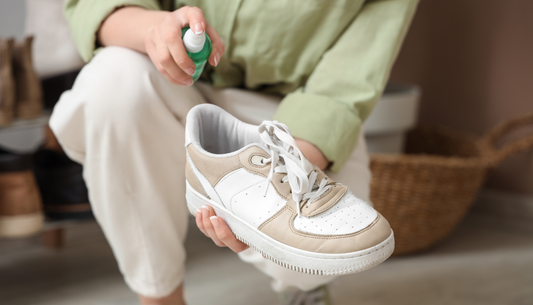
How can a professional shoe service deep clean smelly Sneakers/Sport shoes without ruining them?
Smelly running shoes can seem hopeless, especially when the smell returns after a quick wash. In Singapore's hot and humid weather, sweat and dirt easily get trapped inside. But, there's a way to deep clean smelly sneakers/sport shoes without harming them.

A reliable professional shoe service aims to clean and care for your shoes at the same time. They aim to remove bacteria and sweat, not just mask the smell. This method ensures your shoes stay in good condition without damage.
Z WASH in Singapore is all about giving old shoes a new story. With their professional shoe sanitizing, your shoes will look and feel like new. You can even book a premium shoe wash online, making it easy and convenient.
In the next sections, we'll explore how odors get trapped and how to safely clean smelly sport shoes. You'll also learn why DIY methods can sometimes fail. Plus, you'll see what a full-condition care service looks like, with clear steps and attention to detail.
Why Sneakers/Sport Sports get smelly and why odors become “trapped”
In Singapore’s hot and humid weather, sneakers/sport sports can quickly become smelly. It's not just the material that's the problem. Sweat, skin oils, and microbes build up inside, in the lining and insole.
That's why smelly sneakers/sport sports can stick around even after a quick clean. The inner foam and fabric hold onto moisture. This traps the bad smells where your foot sits for hours.

Bacteria are the main culprit behind smelly sneakers/sport sports
Bacteria are a normal part of life on our skin. But they love the warm, moist environment of footwear. They feed on sweat and dead skin, producing waste that smells bad.
One common foot bacteria, Brevibacterium, makes methanethiol. This compound smells like sulfur, often compared to rotting cabbage. It explains why running & sport shoes can smell even when they look clean.
Sweat + moisture create an ideal environment inside running & sport shoes
Feet have more sweat glands than anywhere else on the body. Over 250,000 sweat glands work hard. Sweat itself doesn't smell, but it soaks into insoles and padding, keeping them damp.
In a closed shoe, this damp air doesn't move around well. This makes it hard to get rid of athletic shoe odors. Odor sources stay embedded below the surface.
Factual odor chemistry: organic acids like methanethiol and isovaleric acid
Bacteria break down sweat and skin debris, producing organic acids and sulfur compounds. Key culprits include methanethiol, isovaleric acid, and propanoic acid. These compounds cling to fabric fibers and foam.
These compounds don't just “float away.” They stick to the inner lining. That's why trapped athletic odors often come back when your feet warm up your sneakers/sport sports again.
Factual scale: feet can produce up to half a pint of sweat daily, and some shoes can harbor over 420,000 units of bacteria per square inch
Studies show feet can produce up to half a pint of sweat per day. In the same research, some shoes had over 420,000 units of bacteria per square inch. This is especially true around the toe box and heel cup.
- More moisture can raise the risk of athlete’s foot, toenail fungus, and other skin infections.
- Ongoing sweat and grime can also speed up wear, weakening cushioning and breaking down inner layers in running & sport shoes.
Why DIY cleaning and washing machines can ruin sneakers
It's tempting to wash sneakers in the machine. But most sneakers have layers that don't like water or movement. In Singapore's humid weather, shoes take longer to dry, causing more problems.

Common risks: washing machine shoe damage, fabric tearing, and glue separation
A washer drum can damage shoes. It bends and stretches them, causing tears. This is common near eyelets or the collar.
Even if the upper looks fine, the glue can weaken. This can cause the sole and upper to separate, especially where they meet.
Why heat and aggressive drying can warp shape and break down materials
Heat can distort shoes. Dryers, heaters, or hair dryers can change their shape. This is especially true for running shoes with soft foam.
Some materials can stiffen or crack after drying. This affects how the shoe bends and feels on your foot.
How over-wetting leads to yellow stains after washing (especially on lighter uppers)
Too much water can cause yellow stains. This happens on light mesh or knit, especially around seams.
Shoes with glued-in insoles are at higher risk. Water trapped under the insole can cause the shoe to dry unevenly.
When “quick fixes” leave you with ruined sneakers and lingering trapped athletic odors
Sprays and fragrances might mask smells temporarily. But they don't remove sweat residue that bacteria feed on. This can lead to lingering odors, especially after exercise.
- Better than soaking: for glued areas and fixed insoles, a damp (not wet) wipe helps clean without flooding the structure.
- Better than heat: slow airflow drying lowers the risk of warped shape, yellow stains after washing, and ruined sneakers.
How Z WASH approaches deep clean smelly sneakers/sport sports safely in Singapore
In Singapore, the heat and humidity can quickly make your favorite shoes smell bad. Z WASH uses a careful method to make them fresh again. They do this without changing how your shoes fit or feel.
Old Shoes, New Stories isn't about making sneakers look brand new. It's about keeping their character while making them fresh again, one detail at a time.
The care begins with a bright, traceable workshop. This keeps pairs organized and handled with care. Each step is planned to protect the shape, stitching, and bonding points of your shoes.
This is full-condition footwear care, not a rough wash-and-dry cycle. The focus is on removing odor sources like bacteria and sweat. They avoid common damage causes like over-soaking, harsh brushing, and high heat.
- Controlled moisture to reduce risk of glue softening and sole separation
- Material-aware cleaning to protect mesh, knit, and layered uppers
- Gentle, structured drying to help prevent warping and deformation
Throughout the process, the goal is simple: stay fresh stay original. You get a deeper clean that supports hygiene and comfort. The shoe's structure and story remain yours, guided by a traceable workshop routine built for full-condition care.
Professional shoe service, Sneakers/Sport Sports, Eliminate athletic shoe
In Singapore’s heat and sudden rain, Sneakers/Sport Sports can start to smell fast. A Professional shoe service focuses on parts you can’t reach at home, like the lining and footbed. They aim to deep clean smelly sneakers/sport sports without damaging them.
A professional shoe service is all about control. They use measured moisture for a damp clean, not a soak. Agitation is gentle, avoiding harsh scrubbing that can damage the shoes.
- Controlled moisture helps protect structure while still lifting sweat film.
- Controlled agitation reaches seams and texture without tearing fibers.
- Controlled drying supports shape and reduces that musty rebound smell.
To eliminate athletic shoe odors, cleaning must target the source, not just mask it. Odor comes from bacteria waste, sweat, and skin oils. These microbes create acids that cling to materials.
Re-odor happens when damp insoles and linings stay humid. Even after a deep clean, shoes need time to dry. Many pairs take about 24 hours to dry between wears. Rotating shoes helps keep them fresh.
Material-specific deep cleaning for canvas and mesh sneakers, knit running shoes, and mixed uppers
Different materials react differently to water, friction, and drying time. In Singapore's humid weather, a careful cleaning method is key. It helps reduce odor and keeps the shoe's structure intact.
Canvas and mesh: removing sweat buildup while minimizing fiber stress in canvas and mesh
When cleaning canvas and mesh sneakers, aim to remove dirt gently. Use pH-balanced, professional-grade formulas with warm water (around 80–90°F). This combo breaks down sweat and dirt without damaging the material.
Use a soft brush for light circular strokes. This method prevents the material from fuzzing or thinning, especially in sensitive areas.
Knit running shoes: gentle handling to prevent stretching, rippling, and shape distortion
Knit running shoes may look clean but can easily change shape if handled roughly. Use gentle pressure and low moisture. This helps avoid stretching or rippling, especially at the toe and midfoot.
When dealing with mixed materials, adjust your cleaning approach based on feel. Different parts of the shoe may need different levels of care, even within the same pair.
Inside focus: heel, arch, and toe box zones where sweat and oils accumulate most
The inside of the shoe is where odors often hide, even if the outside looks clean. Pay extra attention to the heel, arch, and toe box. These areas collect the most sweat, oils, and wear.
- Heel: heavy rubbing and trapped moisture near the collar
- Arch: sweat channels that soak into lining fabric
- Toe box: oil buildup and tight airflow near the front
Insoles and linings: when removable vs. glued-in changes the cleaning method
If insoles come out easily, clean them separately in mild soapy water for 10–15 minutes. Then, lay them flat to air dry for 24 hours to prevent curling.
If an insole is stuck, don't force it. Use a damp cloth to clean the lining without damaging adhesives. This approach is key for maintaining the condition of both canvas and mesh sneakers and knit running shoes.
Z WASH check-in counters, labeled numbered racks, and individual shoe bags for traceable care
At Z WASH in Singapore, the first step is at the check-in counters. Here, each pair gets special attention. This way, the care matches what your shoes need.
Intake inspection: documenting condition, odor intensity, and any weak points before treatment
Before cleaning, the team checks the shoes' condition and smell. They look for loose fabric and worn parts. This helps plan the cleaning.
This early check supports full-condition care. It ensures the cleaning plan is right for the shoes. It also helps control moisture in sensitive areas.
Chain-of-custody handling: individual shoe bags and labeled numbered racks to prevent mix-ups
After checking, shoes are kept in individual bags. They are then placed on labeled racks. This system prevents mistakes during cleaning and drying.
- Pair matching stays consistent from drop-off to pick-up.
- Notes from the check-in counters follow the shoes through each step.
- Handling stays predictable inside the traceable workshop.
Why traceability matters for premium pairs and full-condition care
Premium shoes have special materials and coatings. Traceable care ensures they are treated right. This keeps the shoe's condition and look intact.
This approach is key for full-condition care. It refreshes the shoe while preserving its original quality.
Spot-checks that reduce risk of glue separation, fabric tearing, and unexpected color change
Spot-checks are done before and during cleaning. The team focuses on areas prone to damage. This includes edges and high-stress zones.
They also watch for color changes. With labeled racks and bags, the right care is given to the right pair.
Professional cleaning and sanitizing steps that remove odor without damaging shape
To get rid of shoe odors safely, start with smart prep and controlled moisture. In Singapore's humid climate, this balance is crucial. Dampness can hold smells and soften materials.
Z WASH professional shoe sanitizing follows this logic: clean what causes odor, sanitize what feeds it, and dry it right to keep the shoe's shape.
Dry debris removal and inside prep
First, remove what you can. Take out laces and insoles if they're removable.
Then, tap shoes upside down to shake out grit and tiny pebbles. This simple step reduces abrasion, so you don't grind debris deeper into the lining during cleaning.
Low-moisture interior cleaning
Low-moisture cleaning protects the structure. Most sneaker damage starts when water reaches glue layers. For non-removable insoles, apply cleaner to a cloth and wipe, instead of soaking the footbed.
This method helps prevent sole separation and reduces the chance of rippling, puckering, or a collapsed toe box after drying.
Sanitizing logic
Odor isn't just "stale air." It's linked to bacteria breaking down sweat and leaving organic acids. That's why sanitizing focuses on lowering the bacteria load and lifting residue, not covering it with fragrance.
Our method utilizes specialized, material-safe sanitizing agents designed to eliminate up to 99% of bacteria and 82% of mold species. It needs about 24 hours to air dry, and the vinegar scent fades once fully dry, helping to eliminate athletic shoe odors.
Drying discipline
Drying is where shoes often lose shape. Heat from hair dryers, heaters, or clothes dryers can warp uppers, melt glue, and cause materials to crack.
Airflow-based drying is steadier: loosen laces, pull the tongue forward, and let air move through the shoe near an open window or a fan. Use paper towels or newspaper inside to absorb moisture and hold shape, then swap it out as it dampens; many pairs take 12–24 hours depending on materials and padding.
This combination of low-moisture cleaning, careful airflow, and targeted sanitizing is the backbone of Z WASH professional shoe sanitizing. It's built to keep sneakers fresh and prevent sole separation over time.
Aftercare habits to keep running & sport shoes fresh longer after a premium shoe wash
A premium shoe wash can make your shoes feel new again. But, what you do next is key. Keep them dry, clean, and breathable to avoid smelly sneakers/sport sports.
Begin with rotation. Don't wear the same shoes every day; most need 24 hours to dry. Wearing moisture-wicking socks helps too, especially in Singapore's humid climate.
Check the insoles if odors persist. They can hold moisture, even after washing. Replace them when they smell bad, look worn, or feel flat. Many switch them every 6–12 months, while runners might need 3–4 months.
Proper storage and daily care are crucial. Store your shoes on an open rack to let air circulate. After wearing, loosen the laces, wipe the inside with a cloth, and let them air out. For extra freshness, sprinkle baking soda overnight to absorb moisture.
FAQ
How can Z WASH deep clean smelly sneakers/sport sports without ruining them?
Z WASH focuses on removing bacteria and sweat residue. This method protects the shape and materials of your shoes. It uses controlled moisture, gentle agitation, and airflow-based drying to avoid damage.
Why do sneakers/sport sports get smelly in the first place?
Bacteria build up on feet and inside shoes. Their waste products create the lingering stink that gets trapped in insoles and linings.
Why does the odor feel “trapped” inside running & sport shoes?
Sweat itself doesn’t smell, but shoes trap sweat and moisture. This creates a damp, enclosed space that encourages bacterial growth and keeps odor concentrated.
What actually creates the “smelly sneakers” odor—can you explain the chemistry?
Bacteria break down sweat and skin oils, producing organic acids. These acids are a big reason smelly sneakers/sport sports can stink even after “freshening” sprays.
Which bacteria is commonly linked to that strong foot odor smell?
Brevibacterium is often cited as a primary bacteria found on feet. It can produce methanethiol, a sulfuric odor commonly described as smelling like rotting cabbage.
How much sweat are we talking about inside sneakers?
Feet have more sweat glands per square inch than anywhere else on the body. Some studies note feet can produce up to half a pint of sweat per day, which easily soaks into porous linings and insoles.
Can shoes really hold that much bacteria?
Yes. Data cited in research discussions notes some shoes can harbor over 420,000 units of bacteria per square inch. That’s why odor is best treated as a hygiene + material-care issue, not a fragrance issue.
Is smelly sneaker buildup only a smell problem?
Not always. Sources link heavy bacteria buildup and constant moisture to issues like athlete’s foot, toenail fungus, and skin infections. Moisture and dirt can also speed up wear, so shoes break down faster—especially canvas and mesh sneakers and knit running shoes.
Why can “just throw them in the washing machine” backfire?
Washing machines can cause washing machine shoe damage through aggressive agitation and long soaking. That stress increases the risk of fabric tearing, seam strain, and weakening bonded areas that can lead to glue separation and sole problems—especially on running & sport shoes built with adhesives and layered foams.
Why is heat-based drying risky for sneakers?
Sources warn to never use a hair dryer, heater, or clothes dryer. Heat can warp shape, melt glue holding shoes together, and cause materials to crack, turning a simple wash into ruined sneakers.
How does over-wetting cause glue separation or shape loss?
Many sneakers have non-removable (glued-in) insoles. Soaking can push moisture into hidden layers and adhesives, which can cause separation or warping. That’s why safer methods favor low-moisture cleaning, especially inside the shoe.
What about yellow stains after washing—why does that happen?
Over-wetting and slow drying can leave residue and moisture trapped in lighter uppers and foam edges. When water sits too long, discoloration risk rises, which is why controlled moisture and proper airflow drying matter for preventing yellow stains after washing.
Do odor sprays and fragrance powders really work?
They can mask smell short-term, but they often don’t remove sweat residue or reduce bacteria. If the source stays embedded in porous insoles and linings, trapped athletic odors return quickly—especially in running & sport shoes used often.
What does “Old Shoes, New Stories” mean at Z WASH?
It’s Z WASH’s philosophy for full-condition footwear care in Singapore: professional cleaning, sanitizing, and restoration that respects the pair’s original character. The goal is to bring your shoes back to life without a harsh reset that changes how they look or fit.
What makes Z WASH a professional shoe service instead of a basic wash?
“Professional” means deliberate choices based on material and condition—controlled moisture, controlled agitation, and controlled drying—so the deep clean targets odor sources without causing deformation, glue separation, or fabric stress. It’s built for sneakers/sport sports, not treated like regular laundry.
How does Z WASH keep the process traceable and organized?
Z WASH uses a bright, traceable workshop workflow with check-in counters, labeled numbered racks, and individual shoe bags. That chain-of-custody approach keeps pairs matched, trackable, and handled consistently through professional cleaning and sanitizing.
Why does traceability matter for a premium shoe wash?
Premium pairs often need different handling decisions based on their starting condition. A traceable workflow supports accountability, prevents mix-ups, and helps protect delicate areas so customers can book a premium shoe wash with confidence—especially for rare colorways and mixed-material uppers.
What happens during intake before cleaning starts?
Intake focuses on documenting visible condition, interior odor level, and fragile zones like loose lining, worn heel areas, and stressed seams. This helps reduce surprises and supports full-condition care decisions before any moisture is introduced.
Which areas inside shoes usually hold the most odor and buildup?
The highest-buildup zones are typically the heel, arch, and toe box. Those areas collect sweat, oils, and friction wear, so they’re key targets in any deep clean smelly sneakers/sport sports plan.
How are canvas and mesh sneakers cleaned without stressing the fibers?
Canvas and mesh need enough cleaning power to remove sweat buildup, but not so much force that it frays fibers or roughs up the weave. Professional methods prioritize measured agitation and controlled moisture so canvas and mesh stay stable while odors are removed.
How do you handle knit running shoes without stretching them?
Knit uppers can stretch, ripple, or lose shape if over-wet or handled roughly. Z WASH approaches knit running shoes with gentler, lower-stress cleaning and careful drying support to protect structure while still eliminating athletic shoe odors.
Do you treat removable insoles differently from glued-in insoles?
Yes. If insoles are removable, sources suggest they can be cleaned separately, including a 10–15 minute soak in mild soapy water, then air dried flat for about 24 hours. If an insole feels glued down, it shouldn’t be forced—sources advise wiping with a damp (not wet) cloth to avoid saturating glue and risking separation.
What water temperature is safest for interior cleaning?
Source guidance points to mild dish soap with warm water around 80–90°F to break down dirt and oils without harshness. Gentle circular motions with a soft brush—often described as “like brushing your teeth”—help clean without shredding linings.
What’s the point of dry prep like tapping shoes upside down?
Tapping shoes upside down helps shake out grit, pebbles, and debris that can act like sandpaper during wet steps. Removing laces for separate cleaning also reduces abrasion and helps a deeper clean reach the tongue and eyelet area.
What does “low-moisture interior cleaning” actually mean?
It means avoiding soaking the shoe’s interior—especially around glued layers—and using controlled application, like putting cleaner on a cloth and wiping. This lowers the risk of sole separation, warping, and long dry times that can lock in odor.
How does professional shoe sanitizing help with odor?
Odor is tied to bacterial activity and organic acid waste products like methanethiol, isovaleric acid, and propanoic acid. Z WASH professional shoe sanitizing focuses on reducing bacterial load and removing residue, not covering smells with fragrance.
Is vinegar a real disinfecting option for sneakers?
Source guidance describes a 1:1 white vinegar and water misting approach that can kill up to 99% of bacteria and 82% of mold species, followed by 24 hours of air drying. The vinegar smell fades once the shoe is fully dry.
How long should sneakers air dry after cleaning?
Typical drying time is 12–24 hours, depending on materials and how wet the shoe got. Best practice is airflow near an open window or fan, loosening laces and pulling the tongue forward, plus using paper towels or newspaper to absorb moisture and help maintain shape.
How can I keep results lasting after a deep clean?
Don’t wear the same pair two days in a row—sources advise shoes often need about 24 hours to dry between wears. Wear socks (moisture-wicking helps), store shoes on an open rack for airflow, and keep interiors dry so bacteria don’t rebound and odors don’t get trapped again.
When should I replace my insoles to prevent recurring odor?
Insoles are porous and can hold moisture and residue. Signs include persistent odor, holes or tears, compressed cushioning, peeling fabric, or smell that doesn’t improve after multiple cleanings. Typical lifespan is often 6–12 months, or 3–4 months for runners and heavy daily use.
Can Z WASH help if my sneakers already smell “permanent”?
Many “permanent” smells are just embedded residue plus bacteria living in the lining and insole layers. A true deep clean targets that internal buildup, which is why customers look for a professional shoe service online when home methods leave lingering trapped athletic odors.
How do I book Z WASH for deep clean smelly sneakers/sport sports in Singapore?
You can book a premium shoe wash with Z WASH through its online professional shoe service channels. The goal stays the same every time: stay fresh stay original, with full-condition care that protects materials while eliminating athletic shoe odors.